




I’ve seen people that had it and stopped doing it…And go back out. But not of the ones that continue to practice it and stay connected to it. Spiritual malady can trigger feelings of irritability, restlessness, and discontentedness. The overall sensation can feel like crawling out of your own skin. These feelings can become unmanageable – more on the unmanageability of life for alcoholics below.
Emotional remoteness
Understanding spiritual malady and its impact on recovery is essential for anyone battling addiction. This deep-seated sense of disconnection and unrest drives the cycle of addiction and self-destructive behaviors. By addressing this spiritual disease through connection with a higher power, the 12 Steps, and professional help, individuals can find a path to lasting sobriety and holistic healing. The 12 Steps of AA are formulated to tackle and rectify spiritual malady, fostering spiritual awakening and recovery. The foundation of the 12-Step Program involves implementing a higher power in our lives, emphasizing the spiritual aspect of addiction recovery.
Programs
I’ve seen some people in AA that the only reason I can figure out why they are there…Is the social aspect of the program….Face it….We’re not a bad bunch of people to hang around with. We learned that we had to fully concede to our innermost selves that we were alcoholics. The delusion that we are like other people, or presently may be, has to be smashed. Is this the same meeting group comprised of many folks who haven’t read the Big Book? (I’m not making that up, right?) It’s unfortunate that so many people fail to see the spiritual component of the program and I wonder how many of them are able to stay sober long-term.
Sobriety Calculator
Our alcoholic life is really the symptom of a spiritual malady. It has only reinforced that I am not OK, that “cutting the reality away” has served no purpose except to increase my pain and suffering. I, of late, have experienced Disconnect, due to health, emotional, spiritual pain. Thank you for this week’s article and the assistance to guide my angst back onto a peaceful track of resolution with my reality.
- It simply means we are spiritually blocked off from the Power of God, which enables us to remain sober, happy, joyous, and free.
- That’s what those steps are for…To face and be rid of the things that are blocking us from living a spiritual life.
- Scientifically, issues like dependence and withdrawal are linked to how alcohol affects brain chemistry, such as dopamine levels and neurotransmitter activity.
- The Reframe app equips you with the knowledge and skills you need to not only survive drinking less, but to thrive while you navigate the journey.
Here at California Detox in Laguna Beach, we can help you unpack the physical, psychological, and spiritual aspects of alcoholism. To recognize and to admit my weaknesses is the beginning of good spiritual health. It is a sign of spiritual health to be able to ask God every day to enlighten me, to recognize His will, and to have the strength to execute it. My spiritual health is excellent when I realize that the better I get, the spiritual malady definition more I discover how much help I need from others. What we talk about in recovery is the idea that we as humans suffer from fear.
These beliefs can have a negative effect on our lives. Examining our beliefs and creating new, more healthy ones can lead us back to spiritual health. We should, of course, seek medical attention for any illness that threatens our immediate health. However, many illnesses are spiritual in nature and can only be solved by deep emotional and spiritual work. Everyone can take a lesson out of the spiritual principles of this organization. And although not everyone has a problem with drugs or alcohol, every person reading https://moneymexa.com/the-emotional-and-physical-journey-of-alcohol/ this right now is touched in varying degrees by some form of obsessiveness affecting them in very negative ways.
LISTEN NOW
It can be about finding a deeper sense of meaning and connection, whether through nature, meditation, yoga, or creative pursuits. However, that does not mean addicts are confronting this spiritual ailment by themselves. While an addict’s spiritual malady triggers a compulsive need to use drugs, other people’s spiritual conflicts may take the form of a gambling problem, anxiety, depression, or eating disorder. Although the disease has biological, behavioral, and psychological roots, treating those aspects, without including the spiritual component, is like sticking a Band-Aid on a bullet wound.
Often, our negativity comes from a lack of personal power. Living a joyful and meaningful life seems impossible given our current circumstances. While we want to make changes, they seem beyond our reach.
The reason is that our reaction to alcohol and drugs is physical, it’s not mental. Same meeting…..But a lot of them were different people. To answer your question…About how many of alcoholism treatment them stay sober long term….Not many. I was talking to an oldtimer the other day…He celebrated 37 years last month….He was telling me that one out of 35 people in AA stay sober long term….That’s roughly three percent.
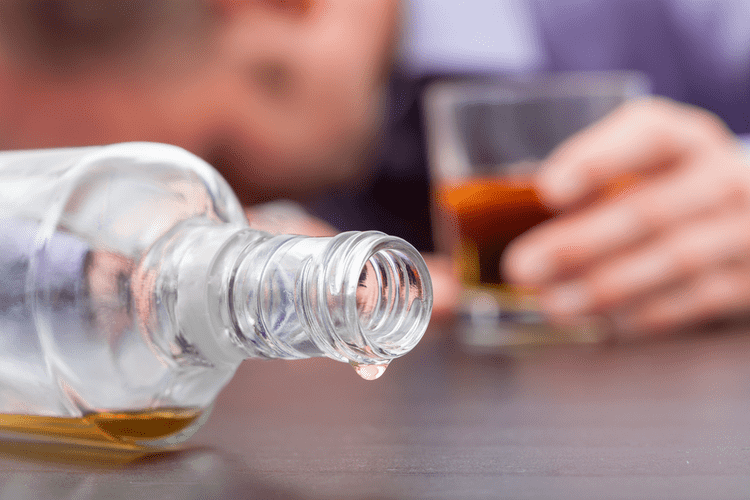
The symptoms of spiritual malady can vary greatly, yet they are profoundly impactful. To conclude, it’s not my body — my allergic reaction to alcohol — that’s going to take me back to drinking. It’s really not my mind — the mental obsession — that is the underlying root of what will take me back to drinking. It’s the “spiritual malady”, as manifested by my EGO (selfishness-self-centeredness), that can eventually lead me back to drinking or sometimes even suicide. From it stem allforms of spiritual disease, for we have been not onlymentally and physically ill, we have been spirituallysick. When the spiritual malady is overcome, westraighten out mentally and physically.
Linked to aa.org with the permission of Alcoholics Anonymous World Services, Inc.
While I could go on forever on the differences between these two ideas, I’ll keep it as simple as possible. These struggles are symptoms of the spiritual malady, which must be addressed through the 12 Steps to achieve lasting sobriety and freedom. Maintaining close relationships with AA sponsors and community-based support groups tailored to spiritual recovery can help avoid distractions and reinforce the recovery process. Professional assistance offers a structured environment necessary for detox and recovery, catering to the needs of the whole person, including their spiritual requirements. Taking time for reflection, pondering the significance of life events, and practicing forgiveness and compassion are key practices for spiritual wellness. Daily gratitude and journaling help recognize and appreciate the positive aspects of life, fostering spiritual growth.
Professional assistance is often required to tackle spiritual malady and addiction. Seeking professional treatment is crucial to address both the physical and spiritual dimensions of addiction. Integrated treatment programs offer a combination of medical detox, therapy, and spiritual support to provide comprehensive care for addiction. Sustaining a conscious connection with a higher power through prayer and meditation is crucial for spiritual development and recovery. Engaging in regular prayer can deepen our connection with a higher power, providing a sense of peace and guidance. This daily practice helps stabilize and clarify our lives, significantly reducing the obsession with substances and offering a sense of freedom.
